Leaders in CMF, spine, trauma, veterinary surgery gather in Davos
Leading figures in craniomaxillofacial (CMF), spine, trauma, and veterinary surgery have gathered in Davos, Switzerland, for the second week of the AO's flagship educational event, the AO Davos Courses 2019.
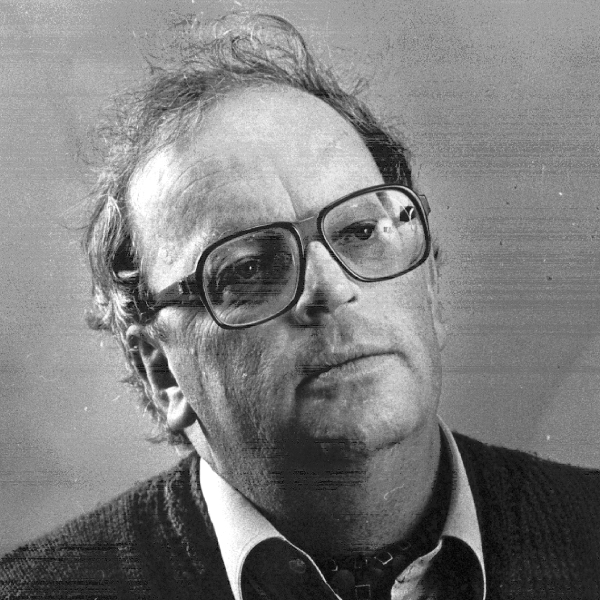
In his opening address, AO President Robert McGuire honored the AO's founders and paid especial tribute to Professor Stephan M. Perren, who died suddenly on November 21, 2019, in Davos. He explored what makes the AO different from other organizations in these fields, and placed particular emphasis on mentorship as a key component in what being a member of the AO community means.
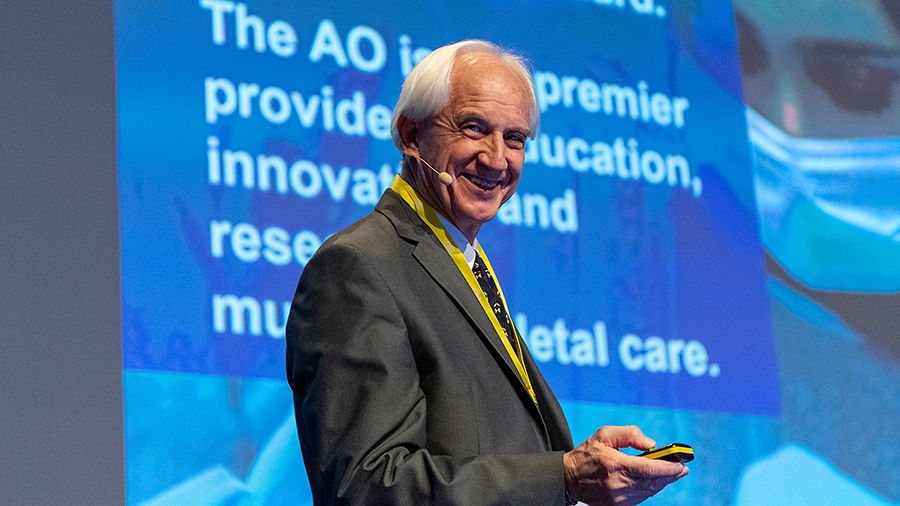
Today the AO is a leading innovator in the fields of trauma and musculoskeletal disorders, and the premier educator in its field: supporting surgeons and operating room personnel across the world enhance their skills and deliver improved patient care. This dedication to excellence in patient outcomes, enshrined in the AO mission, is what binds together the many different specialities that make up the AO network.
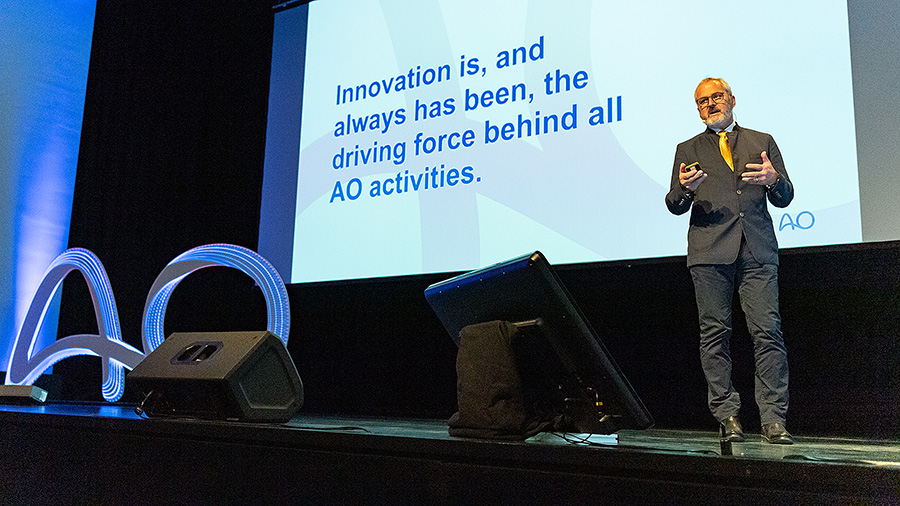
Education and innovation were two themes that President-Elect Florian Gebhard focused on during his speech. He introduced the audience to the AO's diverse innovation landscape and explored the different ways that the AO supports its network and the broader community in helping bring their innovative ideas into patient care. He placed particular emphasis on currently open calls for proposals from the AO's strategy fund and development incubator. "We will help you turn your ideas into real improvements for patient care," Gebhard said.
The AO is constantly striving to find new ways to support the global health care community. Launched during the AO Davos Courses 2019, myAO offers surgeons the opportunity to connect with other medical professionals in their specific fields of interest, and provides a new way of accessing dependable, verified, content that is tailored to their needs. Find out more about what myAO offers and download myAO today.
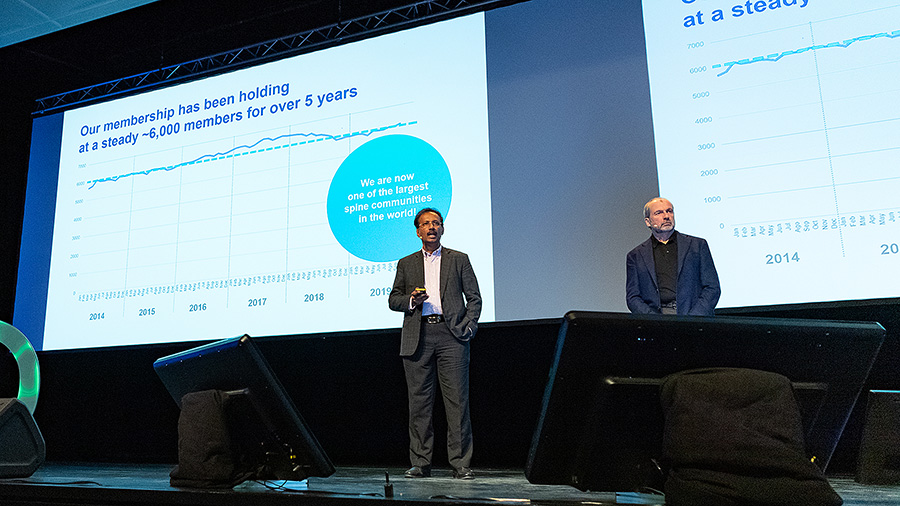
AO Spine's International board chairperson Shanmuganathan Rajasekaran and Education Commission Chairperson Bryan Ashman gave participants an overview of the current status of AO Spine's most relevant projects."Treatment appropriate to one area of the world may not be the best for another area, so we aim to bring together experts from across the globe," Rajasekaran said, outlining AO Spine's current operations and future plans.
One of the highlights was the Research Objectives and Common Data Elements for Degenerative Cervical Myelopathy (RECODE-DCM) project, which aims to shape the way future DCM research is carried out, by developing a number of recommendations to improve research efficiency. Its core working group includes surgeons and researchers, as well as people with myelopathy, advocacy groups, and caregivers.
AO Spine Education Commission Chairperson Bryan Ashman discussed AO Spine's enhanced pathways to knowledge through its new global diploma program.
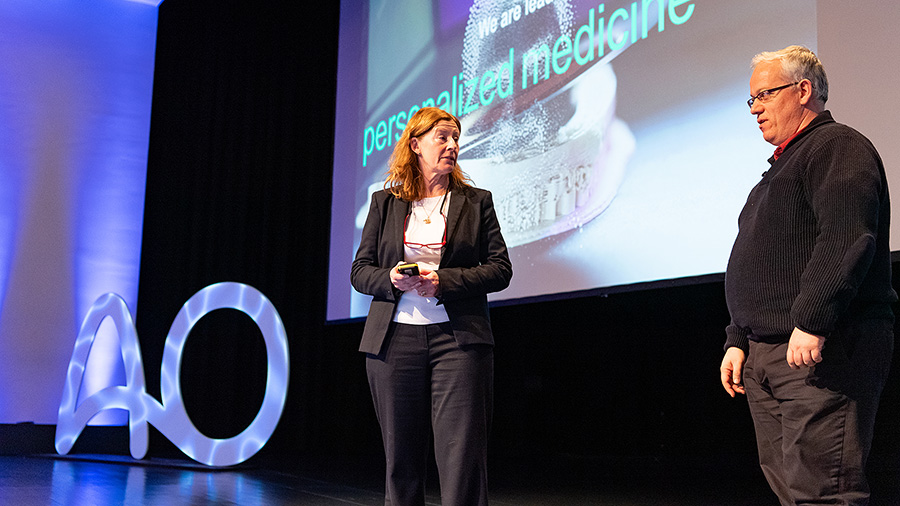
AO CMF's Course Chair Lynne Fryer and European and Southern Africa (ESA) Board Member Ignacio Ismael García Recuero gave the audience a teaser for FACE AHEAD 2020, AO CMF's new approach to congresses and conferences in its field. The clear focus was ensuring the patient is always front and center, through driving innovative development and embracing all the opportunities for personalization that technological developments deliver.
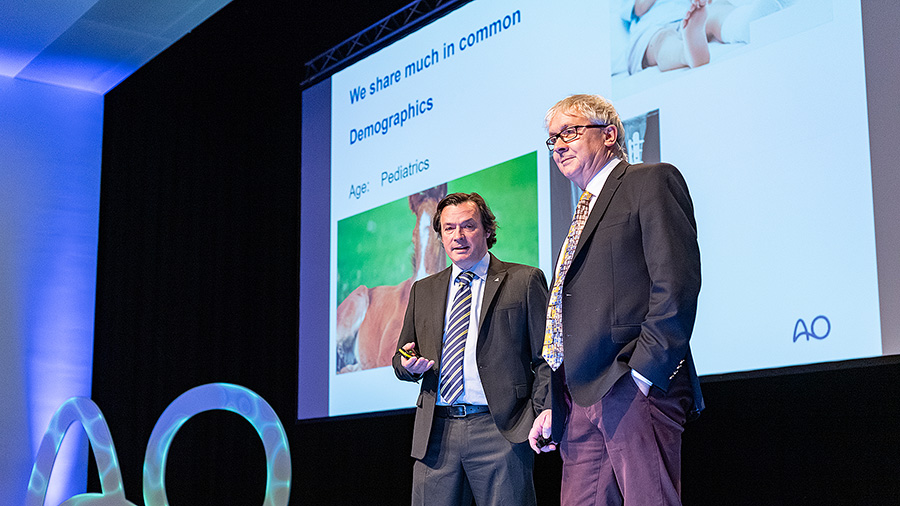
AO VET's International Board Chair Karl Kirker-Head and Education Commission Chair Alessandro Piras talked through the history of AO VET and how it fits into the AO community. Throughout their presentation, the emphasis was firmly on the important commonalities that exist between the veterinary community and their physician colleagues. They also highlighted the extent to which veterinary medicine has been an essential innovation driver for the AO.
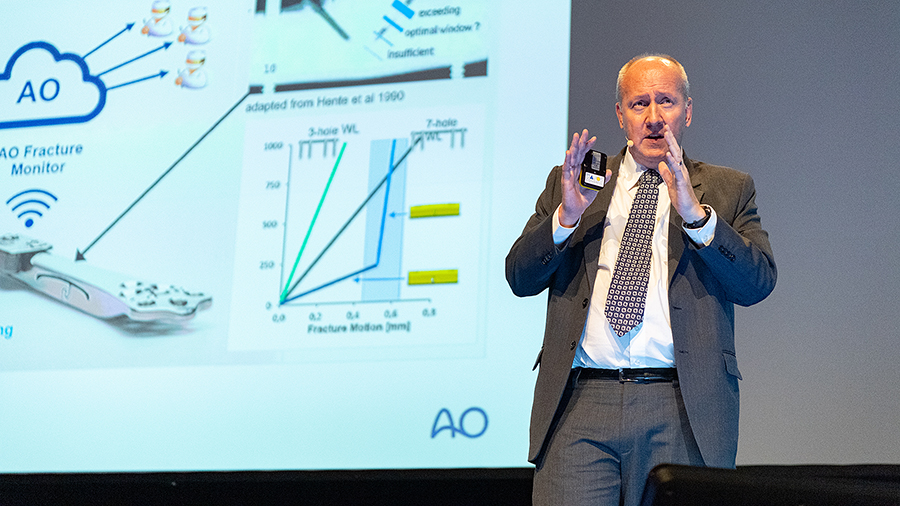
Geoff Richards, Director of the AO Research Institute Davos (ARI) focused on how influential Prof Stephan M Perren's strain theory has been for the work carried out at ARI. He explored ARI's work to develop new ways of delivering antibiotics to infected areas around fractured bones.
Hydrogel has a number of advantages over antibiotic-loaded cement, can be applied repeatedly, and is supported by robust proof of efficacy in both prophylaxis and treatment. He looked at the use of soundwaves in the real-time creation of complex, functional, cellular structures that support tissue vascularization.